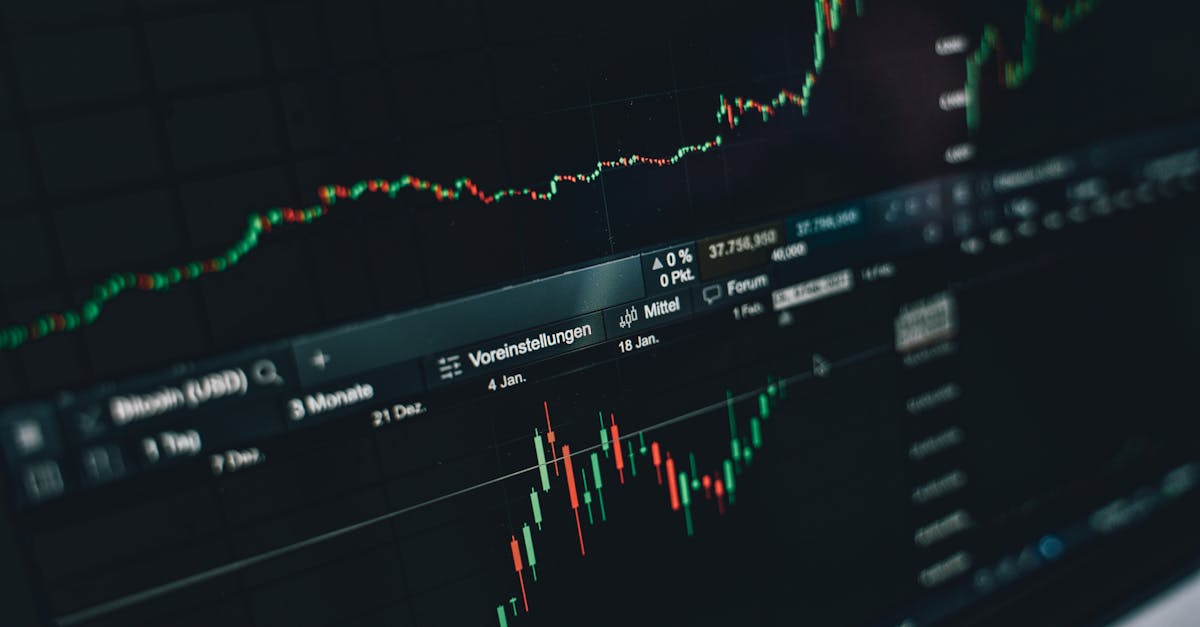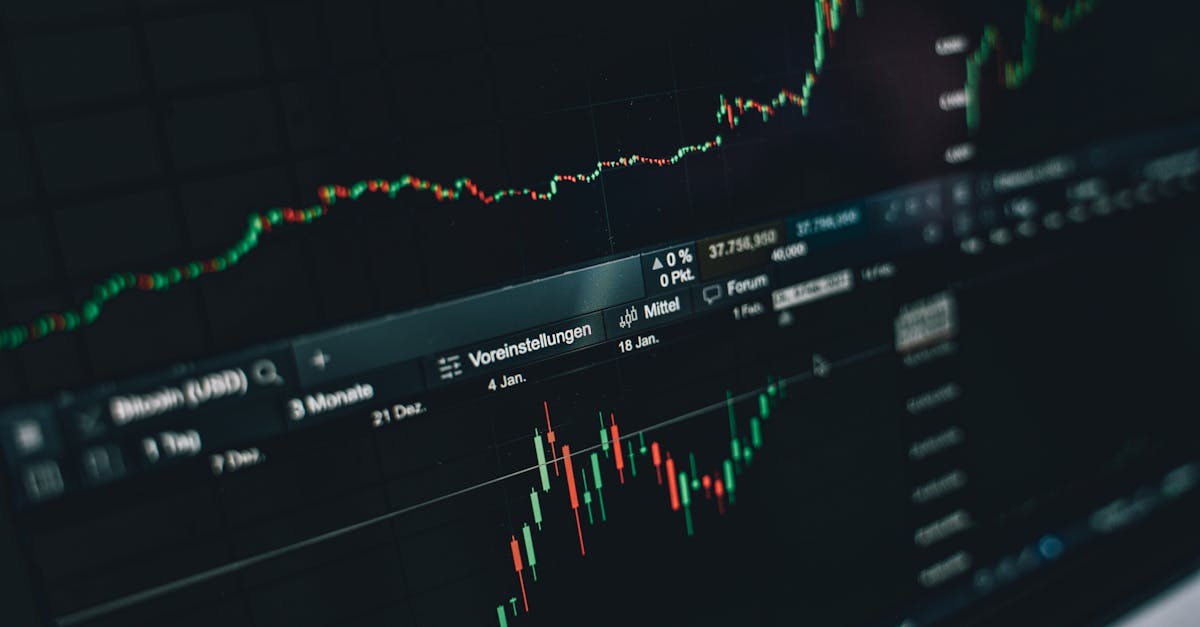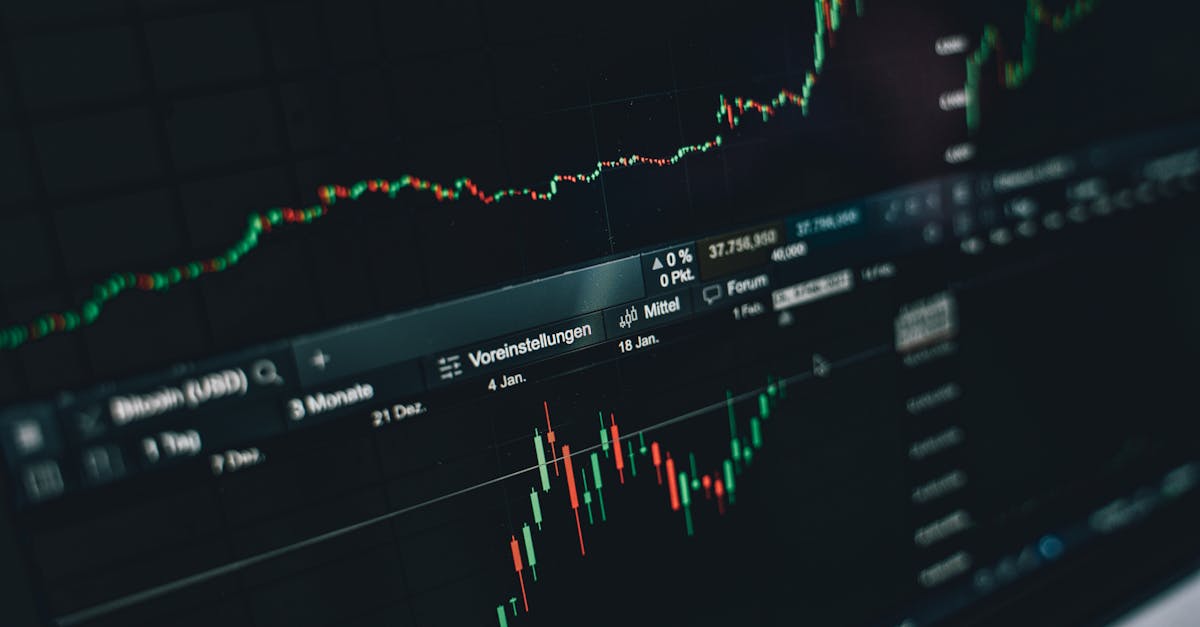
As we navigate the complexities of the modern financial landscape, it has become increasingly clear that the lines between traditional economic indicators and emerging market trends are blurring at an unprecedented rate. The intersection of technological advancements, shifting global power dynamics, and evolving macroeconomic paradigms is creating a unique set of opportunities and challenges for investors, policymakers, and business leaders alike.
At the heart of this confluence lies a pervasive sense of uncertainty, as sentiment around the world’s major economies teeters precariously between optimism and caution. The prevailing narrative suggests that a new era of globalization, driven by the likes of China and India, is supplanting traditional Western dominance. However, beneath this surface-level observation lies a complex web of interconnections and power struggles that are likely to shape the global economic landscape for years to come.
One of the most significant emerging trends is the resurgence of protectionist sentiment in key markets, as nations seek to shore up domestic industries and mitigate the impact of globalization. This has led to a rise in trade tensions, particularly between the United States and China, with far-reaching implications for supply chains, profit margins, and investor confidence.
Meanwhile, the ongoing COVID-19 pandemic continues to exert a profound influence on global economic dynamics, from supply chain disruptions to unprecedented levels of government intervention. As the world gradually emerges from the pandemic’s shadow, policymakers are grappling with the challenge of balancing short-term fiscal stimulus with long-term structural reforms aimed at promoting sustainable growth and reducing inequality.
From a market perspective, this complex interplay of trends and factors is creating a dynamic environment in which investors must be nimble and adaptable to navigate. The rise of ESG (Environmental, Social, and Governance) investing has become an increasingly important consideration for mainstream investors, as the imperative to prioritize sustainability and social responsibility gains traction. At the same time, the growth of decentralized finance (DeFi) and non-fungible tokens (NFTs) is redefining traditional notions of asset ownership and investment.
In this context, it’s essential for investors to adopt a nuanced and diversified approach, one that takes into account the rapidly evolving nature of global economic trends. By focusing on key sectors such as technology, healthcare, and renewable energy, investors can tap into the transformative power of innovation while minimizing exposure to sectors vulnerable to protectionist policies or supply chain disruptions.
Ultimately, the investment landscape is likely to be characterized by a unique blend of opportunities and challenges in the coming years. As policymakers continue to grapple with the aftermath of the pandemic, and as emerging markets assert their growing influence on the global stage, investors would do well to remain vigilant and adaptable. By doing so, they can position themselves for long-term success in an environment that is increasingly shaped by shifting power dynamics, technological innovation, and evolving macroeconomic paradigms.
Keywords:
1. Volatility
2. Globalization
3. Trade Tensions
4. ESG Investing
5. Decentralized Finance (DeFi)
6. Non-Fungible Tokens (NFTs)
7. Sustainable Growth
8. Inflationary Pressures
9. Geopolitical Uncertainty
10. Technological Advancements
Like what you see? Please Share.